What Modern Procurement Software Solves in Today’s Supply Chains


A comprehensive look at how procurement software, sourcing tools, and supplier management platforms reduce manual work, improve visibility, and accelerate decision-making across global supply chains.

Written by Purushottam Mitra
Dec 4, 2025

What Modern Procurement Software Really Solves: From Manual Workflows to Intelligent Automation


Procurement software has evolved far beyond digital spreadsheets and email chains. Today’s teams deal with complex supplier ecosystems, rapid design cycles, and pressure to source reliable components quickly. This article explores the core problems modern procurement tools are designed to fix, what workflows they replace, and how AI procurement systems are reshaping supply chains.
Why Traditional Procurement Falls Short


Many procurement and sourcing teams still rely on manual processes, scattered documents, and slow communication channels. These outdated workflows introduce bottlenecks at every stage.

Common challenges include:
Supplier data spread across emails and spreadsheets
Slow RFQ cycles requiring repeated follow-ups
Manual quote comparison that takes hours or days
Limited visibility into spend and supplier performance
Fragmented communication that weakens supplier relationships

As supply chains become more global and time-sensitive, these inefficiencies lead to delays, higher costs, and inconsistent decision quality.

Get Started

What Modern Procurement Software Needs to Deliver


Procurement technology now covers areas like procurement automation software, supplier management, contract management, spend analytics, and AI-driven sourcing. Regardless of the category, modern tools should deliver three core outcomes:

  • Automate Repetitive Workflows
    RFQs, follow-ups, document collection, and approvals should be automated as much as possible to reduce cycle times, cut manual errors, and free teams from low-value admin work.

  • Centralize Supplier and Spend Data
    A single source of truth for supplier information, contracts, and spend makes it easier to collaborate, stay compliant, and understand where money is going across the supply chain.

  • Enable faster, smarter sourcing decisions
    With structured data, analytics, and AI, procurement teams should be able to compare options quickly, assess risk, and choose suppliers based on facts instead of scattered spreadsheets and disconnected tools.

Before vs. After Modern Procurement Tools

Modern procurement tools replace slow, fragmented processes with structured workflows that make sourcing faster, clearer, and more reliable. Here is how typical challenges compare when teams adopt modern solutions.

Without Modern Tools

With Modern Tools

Supplier information scattered across emails and files, hard to track or update.
Supplier information centralized and organized in one place, easy to search and maintain.
Communication with vendors slow and fragmented, leading to delays and misunderstandings.
Communication with vendors streamlined and tracked, reducing delays and improving clarity.
Quote comparisons manual and time-consuming, making decision-making slow and inconsistent.
Quote comparisons automated and structured, enabling faster, more consistent decisions.
Limited visibility into spend and supplier performance, increasing risk and budget issues.
Full visibility into spend and performance through dashboards, improving control and accuracy.

Ready to Transform Procurement?


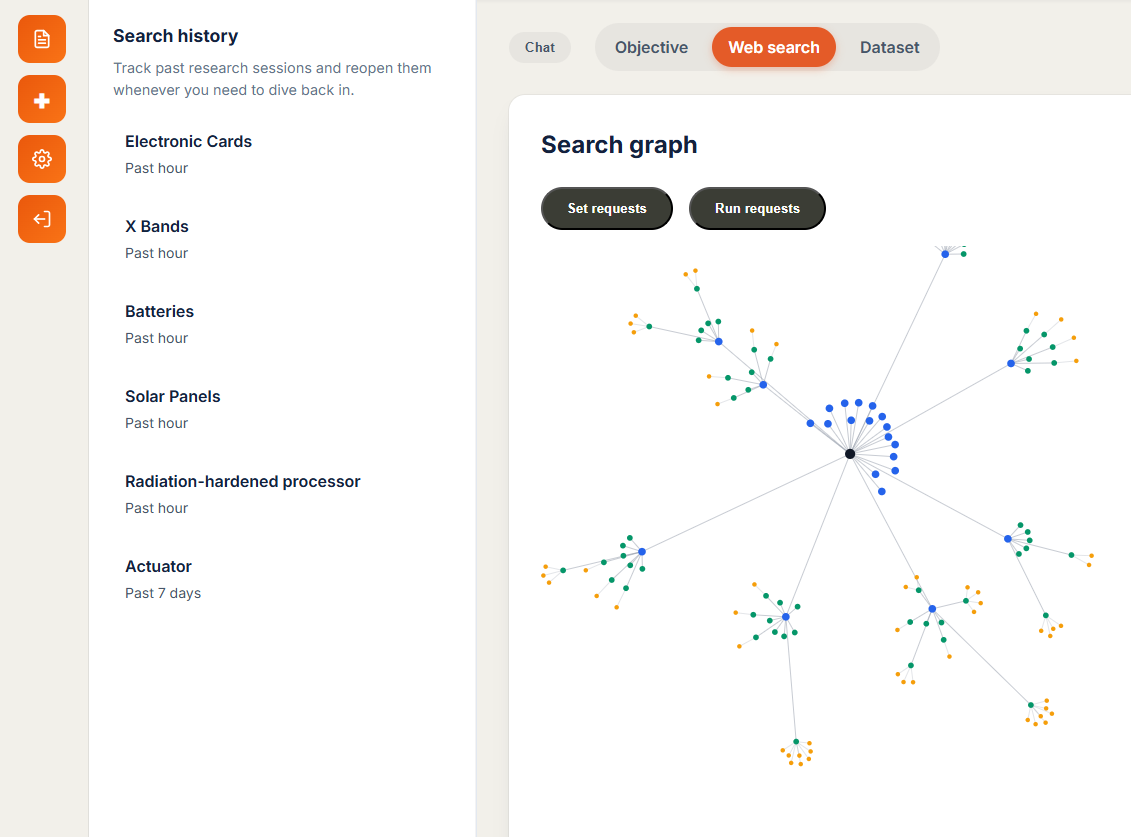
Procureezy turns any sourcing request into a structured product table. It searches the web, discovers relevant components and suppliers, extracts key specs, and builds an instant benchmark so you can compare options in minutes instead of weeks.

Get Started