Modern Supply Chain Management Software Explained: Challenges, Workflows, and the Rise of AI Sourcing


A clear overview of how modern supply chain management tools improve supplier visibility, streamline sourcing workflows, and reduce operational risk in fast-moving industries.

Written by Purushottam Mitra
December 2, 2025
6min Read

Get Started

Introduction

Modern supply chains face increasing pressure to source reliable components quickly, maintain strong supplier relationships, and keep costs under control. Traditional supply chain management systems often focus on logistics and tracking, but they rarely address the early stage of the process: finding the right suppliers, gathering accurate data, and comparing options efficiently.This article explores common limitations in traditional supply chain workflows and explains how new tools, automation, and AI help teams streamline sourcing and strengthen supplier networks.

Get started
Why Traditional Supply Chain Management Falls Short

Many supply chain tools were built to manage orders, warehousing, and logistics. While essential, these systems do not solve the deeper sourcing challenges teams encounter long before a purchase order is created.

Common issues include:
Difficulty identifying reliable suppliers quickly
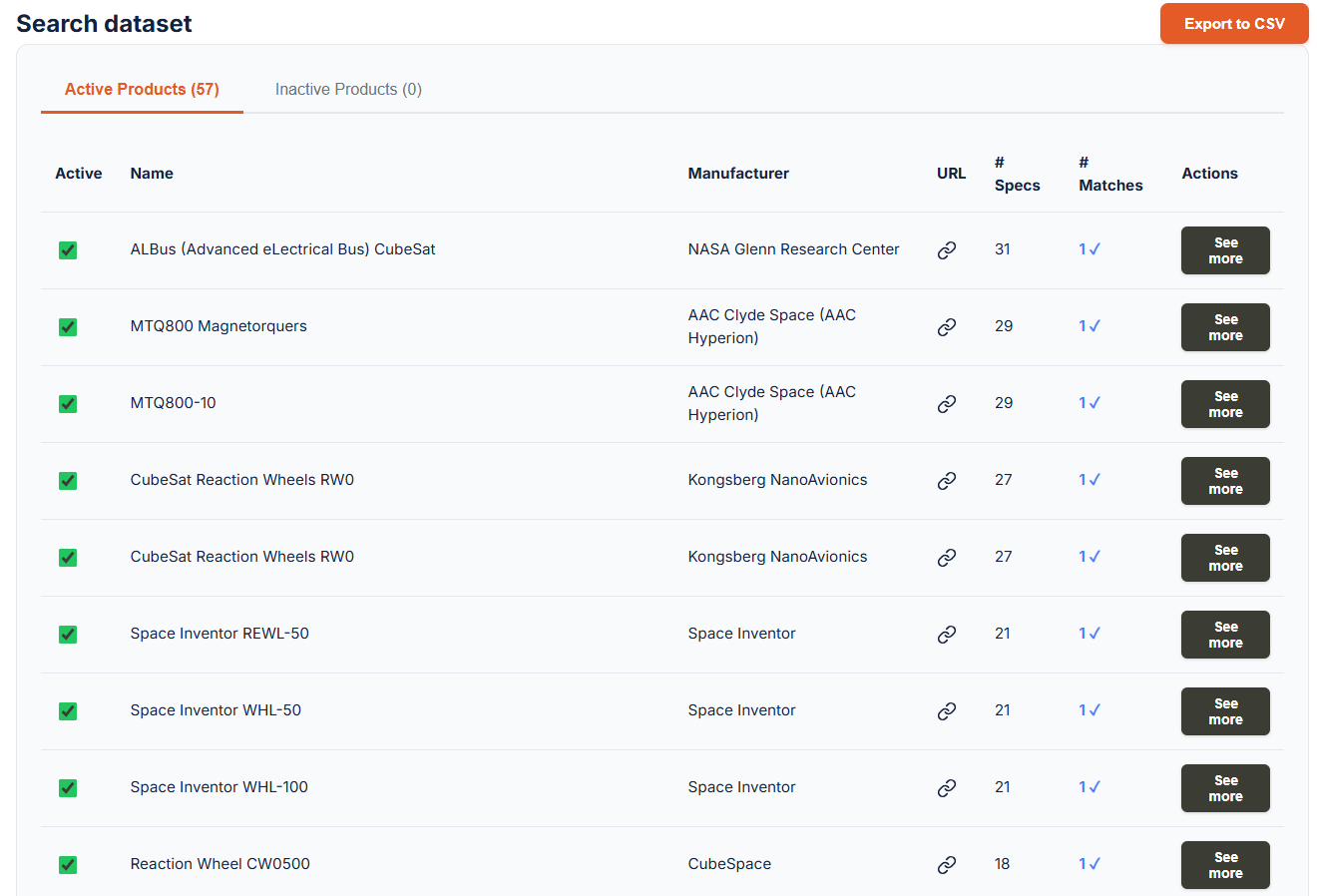
Supplier data spread across emails, spreadsheets, and documents
Slow vendor onboarding and inconsistent compliance tracking
Manual quote comparison that delays decisions
Limited visibility into risk, performance, and costs'

When critical supplier information is fragmented, projects slow down, risks go unnoticed, and teams struggle to maintain operational resilience.

What Modern Supply Chain Management Tools Need to Deliver


Today’s supply chain software must go beyond logistics tracking. To support sourcing and vendor management effectively, modern systems should deliver three core capabilities:

  • 1. Centralized supplier and BOM data
    All supplier information, performance history, components, and documentation should live in one place to improve decision-making and collaboration.

  • 2. Faster, more reliable vendor onboarding and compliance
    Teams need streamlined workflows that replace document chasing with structured data and automated checks.

  • 3. Smarter evaluation and risk assessment through AI
    AI can analyze quotes, extract specifications, compare options, and flag risk patterns, enabling faster, more informed choices.

Before and After Modern Supply Chain Tools

Here is how typical challenges evolve when teams adopt modern sourcing and vendor management software.

Without Modern Tools

With Modern Tools

Vendor onboarding slow and document-heavy, causing project delays.
Streamlined onboarding workflows with organized data and faster supplier validation.
Supplier information fragmented across spreadsheets, making insights difficult.
Centralized supplier records with searchable data accessible to all stakeholders.
Compliance checks time-consuming and manual, increasing risk of errors.
Automated compliance tracking and documentation to ensure accuracy and audit readiness.
Risk signals are missed until disruptions occur.
Reliable sourcing keeps projects on schedule

Who Benefits From Modern Supply Chain Management Software

Engineers: Spend less time chasing vendor information and more time building.
Procurement Managers
: Streamline supplier onboarding, performance tracking, and compliance.
Supply Chain Leaders
: Gain real-time visibility into suppliers, risks, and costs to make smarter, faster decisions.


Procureezy isn’t just another procurement tool. It’s a complete AI procurement software that unifies vendor management, supplier relationship management, and supply chain management software into one intelligent platform. By replacing manual processes with procurement automation software, your team can accelerate sourcing, reduce costs, and strengthen your supply chain end-to-end.

Get Started